

When Compliance Becomes Creative
How Levi's made a branding requirement into a brand moment

I was at Levi's Stadium last week for a 2026 World Cup match. Or rather, I was at the San Francisco Bay Area Stadium. For the duration of the tournament, the Levi's name has been covered on every sign in the stadium due to FIFA’s sponsorship regulations. However, Levi's found a way to make the temporary visual identity unmistakably theirs.
FIFA sponsors such as Adidas, Coca-Cola, and Lenovo receive exclusive rights for presence across broadcasts, digital channels, and stadium advertisement during the 2026 World Cup tournament. For host stadiums that have naming rights for a non-FIFA sponsor, the stadiums have been rebranded as part of tournament preparations in order to remove corporate sponsorship. As a result, some familiar stadiums across the United States, Mexico, and Canada have some unfamiliar names for the tournament. With new names describing their geographic location, such as Boston Stadium instead of Gillette Stadium and Dallas Stadium instead of AT&T Stadium, local fans will still recognize the location but for long distance visitors and tourists, the new localized names will take precedence.
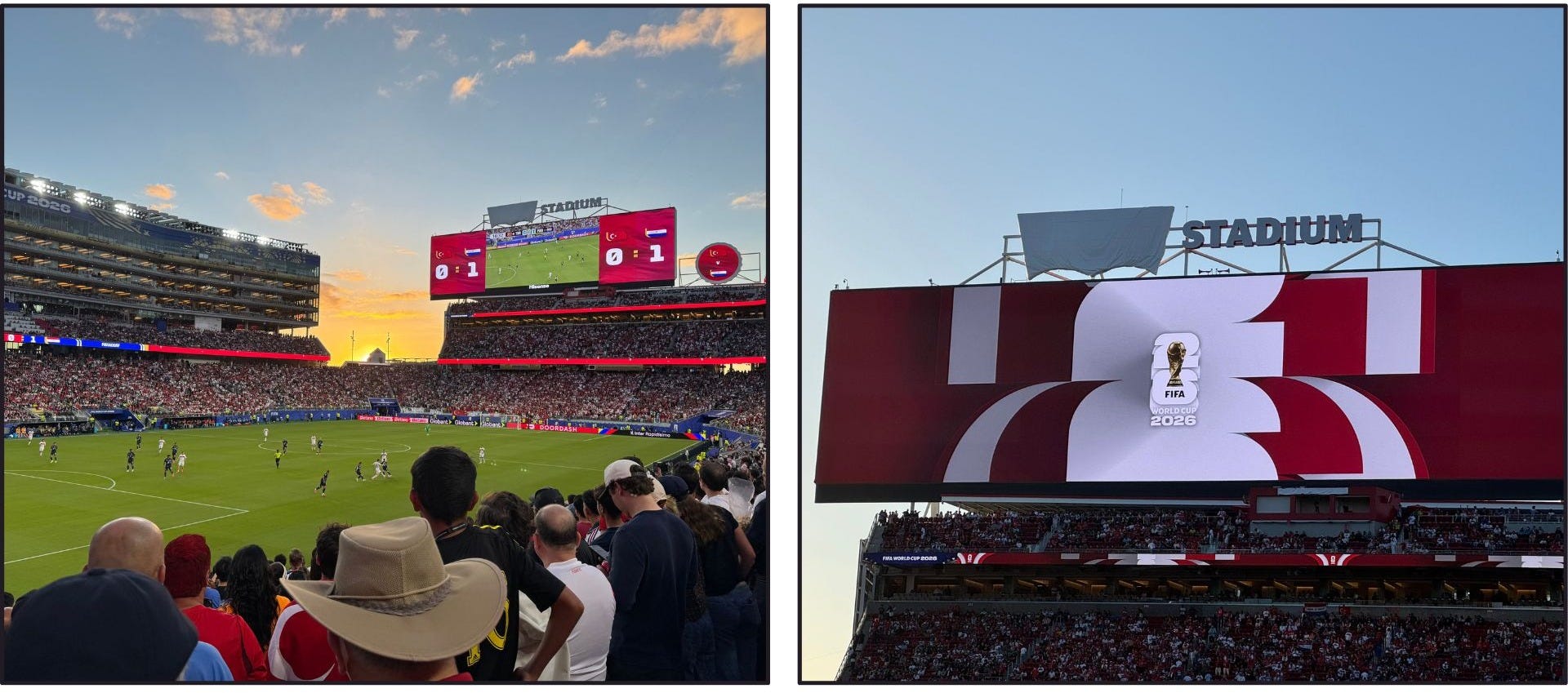
Levi’s Stadium in Santa Clara, California, home of the 49ers, is no exception to the rule. For the duration of the World Cup, Levi’s Stadium is known as the San Francisco Bay Area Stadium with a white cloth covering the Levi’s logo on each sign. Levi Strauss & Co, based in San Francisco, is a renowned clothing company known for classic denim jeans and not particularly well known for humor. They easily could have taken on this rule with frustration and dismay, or perhaps considered an expensive investment in FIFA sponsorship.
However, Levi’s chose a different approach.
Levi’s took ownership of this requirement and met it with good spirit by strategically replacing images of the Levi’s logo on their own social accounts with images of the white cloth covering each sign in the stadium.

By replacing their iconic logo with a picture of the white cloth covering the signage, Levi’s made a strategic choice to honor the FIFA regulation but to do so in a way that brought a good sense of humor and leveraged an unexpected visual image as a way to still draw attention to the brand this summer.
Why this works:
Brings levity to the situation, especially as a company not typically associated with humorous stunts
Uses visual cues to bolster brand recognition in an untraditional way
Takes advantage of a short-term event as an opportunity to pique curiosity
Demonstrates association with the stadium at a time when their association is intended to be muffled
Still adheres to a rigid branding requirement from an international body
Within a week, Gillette Stadium took inspiration from Levi’s and obscured their sign with a covering designed to look like a blob of shaving cream. This might just spark the beginning of a clever signage trend throughout the rest of the tournament.
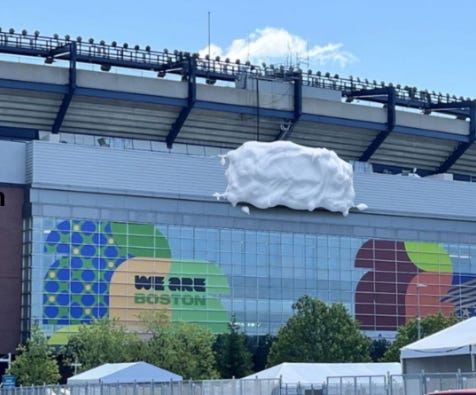
Levi’s approach brings a critical reminder: strategic opportunity can still exist amidst obstacles. The constraint was identical for every stadium host…what differed was the response.
Thanks for reading Strategy Stories by Lavorgna Strategy Studio!
Go Further with Strategy Stories — First Readers Discount Ends June 30
Strategy Stories paid membership is now live. Each month, paid subscribers receive additional curated content designed to help you move from strategic thinking to strategic action.First Readers rate of $56/year available through June 30. Learn More.
About Strategy Stories
Strategy Stories is built on a single belief: the most useful strategic insights don’t always come from inside your industry. Through this platform, Jackie Lavorgna, PhD, SMP shares case studies, analyses, and anecdotes for curious leaders, strategists, innovators, and futurists — spanning readers throughout the United States and across 16+ countries.
Strategy Stories is the insights vertical of Lavorgna Strategy Studio, a consultancy helping leaders, teams, and organizations prepare and plan for the future through strategic planning and strategic foresight.