

This is the Waymo
Piloting the future of transportation through my first robotaxi ride

I recently piloted the future.
Let me reverse for a moment. I attended a seminar back in 2018 about driverless cars and left with two key takeaways: 1) Driverless cars seemed further out than I thought from a reliability, safety, testing, and public perception standpoint; and 2) If the driverless car tech was ever figured out and went mainstream, insurance for humans driving would probably skyrocket. I didn’t pay much attention to driverless cars for the next few years as I considered the obstacles for the former. However, I was surprised during a recent trip to learn that a robotaxi was an option for local, in-town transportation. As I looked across an intersection at the Waymo robotaxis sprinkled throughout the lanes of traffic, the William Gibson quote, “The future is already here, it’s just not evenly distributed yet” came to life.
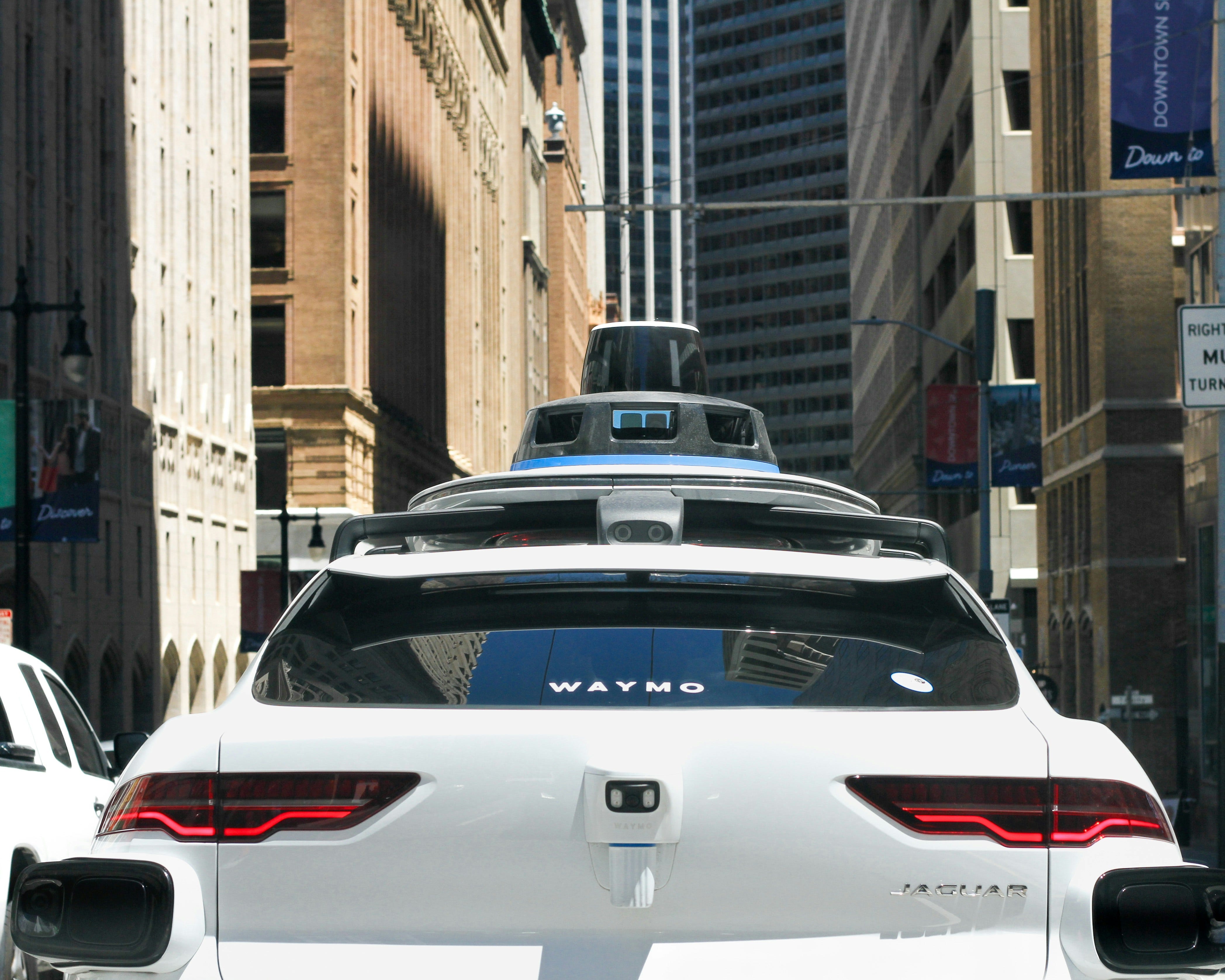
Waymo, which originated within Google’s self-driving car program and is now an independent self-driving technology company under Alphabet, is the only robotaxi service in the US without safety drivers or in-vehicle attendants. With more than 2,500 vehicles in the fleet, riding in a Waymo car presents a unique, localized taste of the future. As of November 2025, the general public can seek robotaxi transportation in five cities sprinkled throughout the United States with 20+ other cities in testing and data collection phases. Waymo just announced an expansion to even more cities, which will start with human-driven vehicles for initial data collection and mapping, supervised testing, limited piloting with employees, and eventually driverless rides accessible to the general public.
What stuck out to me was the ease of use for this technology. From casually inquisitive to being in the backseat of a driverless car took less than a half hour. Pickup was smooth, in-car orientation and directions were easy to follow, and background music was customizable while being seamlessly transported across town to the destination. The robotaxi couldn’t go on the highway but made in-town transportation easy and convenient. Robotaxis are not present in New Hampshire today and I was left wondering how I had missed out on this technological advancement outside of my geographic region.
Institute for the Future (IFTF) defines a signal as a “small, local innovation that draws your attention to where new ideas, technologies, and habits of the future are being actively experimented with, tested, seeded, and invented today.” While Waymo’s robotaxi services are a bit more established than these characteristics for a signal of the future, the geographic parameters of Waymo’s services really brought the concept of a “local” signal to life for me.
What is interesting about this innovation is that public trust in self-driving vehicles hasn’t increased in parallel with the advancement and dispersion of the technology. Waymo’s robotaxi-hailing app launched to the general public in 2020 in the Metro Phoenix area with slow but steady expansion since then. Despite technological progress and expanded access, public trust hasn’t kept pace. According to AAA, roughly 87% of drivers remain afraid or unsure of self-driving vehicles and that figure has not shifted significantly over the last five years. While Waymo may be a signal of the future, the public trust gap for driverless cars is evident. The technology is here and accessible in certain areas, but are the customers ready?
Moments like this remind me why I’m so energized by strategic foresight. As a framework, strategic foresight gives structure to the signals that are already around us. A strategic foresight approach can help you track signals, trends, and drivers of the future while also understanding how they evolve, where they take root, and what this suggests about the future. Signals, drivers, and forecasts bring the future into focus, helping you to steer towards a desirable future while monitoring plausible futures. As I think about robotaxis as a signal, and perhaps the start to a more mature trend in driverless cars, three key takeaways come to mind:
The future is closer than you think: I was overwhelmed by the level of complexity and red-tape described in the 2018 driverless car seminar. I overlooked the level of incentives companies had to get this technology right, spanning from prioritizing safety on the road, expanding mobility, and driving competitive advantage in the industry. Balancing optimism, curiosity, and skepticism in the future helps maintain a healthy, well-rounded strategic foresight approach.
Keep a broad geographic lens for signal scanning: There may not be driverless cars on your street today, but they could be there soon. Ensuring that your approach to signal scanning keeps a wide geographic lens will help you observe, track, and follow a broader range of signals of the future.
Consider travel as an opportunity to pilot the future: When you’re outside of your normal routine anyway, signals of the future can become easier to encounter and more convenient to test out. Be curious!
Lavorgna Strategy Studio helps leaders, teams, and organizations prepare and plan for the future through strategic planning and strategic foresight. Connect with Jackie Lavorgna, Founder and Principal, to learn more about Lavorgna Strategy Studio and schedule a free discovery call today.
An earlier version of this article was posted on LinkedIn on 11/24/2025.
In my head, I hear RadioLab. I like the first person voice and personal perspective. It immediately separates it from typical business writing.