

Runners Welcome. Values Misunderstood.
A lesson in the importance of knowing your audience’s values

Every April, my news feed fills with Boston Marathon coverage. This year the race coverage faded to the background while a values-driven controversy prompted by a marketing mishap took over.
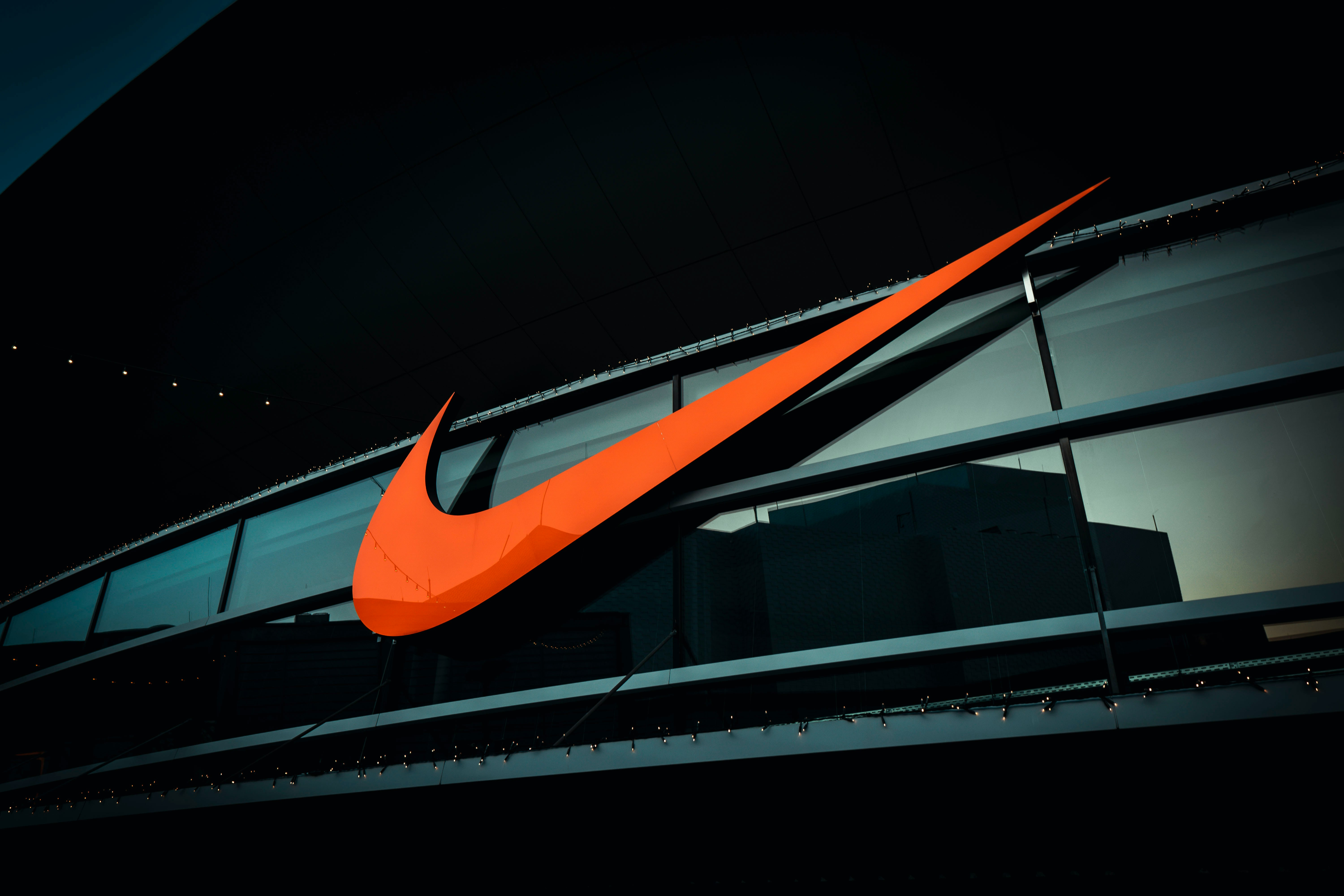
A large “Runners Welcome. Walkers Tolerated.” sign went up outside of Nike’s Boston location the week prior to the marathon. Immediate backlash across social media from the running community, concerned about the lack of inclusivity and negative connotation around walking, resulted in the sign being replaced three full days before the event.
As a runner, I understand Nike’s original intent. Running is the focal activity. However, the reason I show up to road races again and again is because of the welcoming environment and sense of community…comprised of Nike’s target audience.
Where Nike missed the mark was not understanding the core values of their running customer base. The running community is notably inclusive…welcoming newcomers to their first race, encouraging old-timers to persist, and supporting anyone in between trying to do their best that day. That includes joggers, walkers, and the growing adoption of “jeffing,” or structured run/walk intervals, which has further expanded access to the sport. These dynamics are central to running’s continued growth, and Nike’s ad, intended to draw attention and attract customers, actually ended up alienating some of the very customers they hoped to bring in. In community-driven categories like running, brands don’t just market to the customer — they participate in the culture, which means reflecting its values rather than attempting to redefine them.
Road race participation has continued to climb in recent years, aided by the low barrier to entry and distribution of events regionally, and Nike has an opportunity to build on their established running brand to be a part of that future growth. However, this cautionary tale highlights the importance of understanding 1) your customer and 2) the values they hold when considering a disparaging joke in a highly visible marketing ad.
Humor in advertising can work wonders and be deeply memorable to the target audience – sometimes even eclipsing focus on the product. However, ensuring that the team discussing a potentially humorous ad includes diverse and inclusive representation can help avoid these kinds of mishaps. In practice, this means pressure-testing creative outputs through the lens of your most values-driven customers — not just your core user, but your most vocal advocates. If a message risks excluding even a small but visible portion of the community, it’s worth revisiting, especially when the spotlight is already on the category — such as during marathon week.
Ultimately, the more that you understand your customers and what they value as a group, the more likely you are to come up with a humorous ad that lands without the cringe factor.
Know your customers.
Know what is important to them.
Know what values they hold.
Design with your customer and their values at the center.
A quick reminder…
I’d love to hear from you as I design the next phase of Strategy Stories. This short (~2 min), anonymous survey asks what’s bringing you to Strategy Stories today and what future offerings would interest you.
Thanks for reading Strategy Stories by Lavorgna Strategy Studio!
About Strategy Stories
Strategy Stories is the insights vertical of Lavorgna Strategy Studio, a consultancy helping leaders, teams, and organizations prepare and plan for the future through strategic planning and strategic foresight.
Curious how these frameworks translate into practical strategy for your organization? Connect with Jackie Lavorgna, Founder and Principal, to learn more.